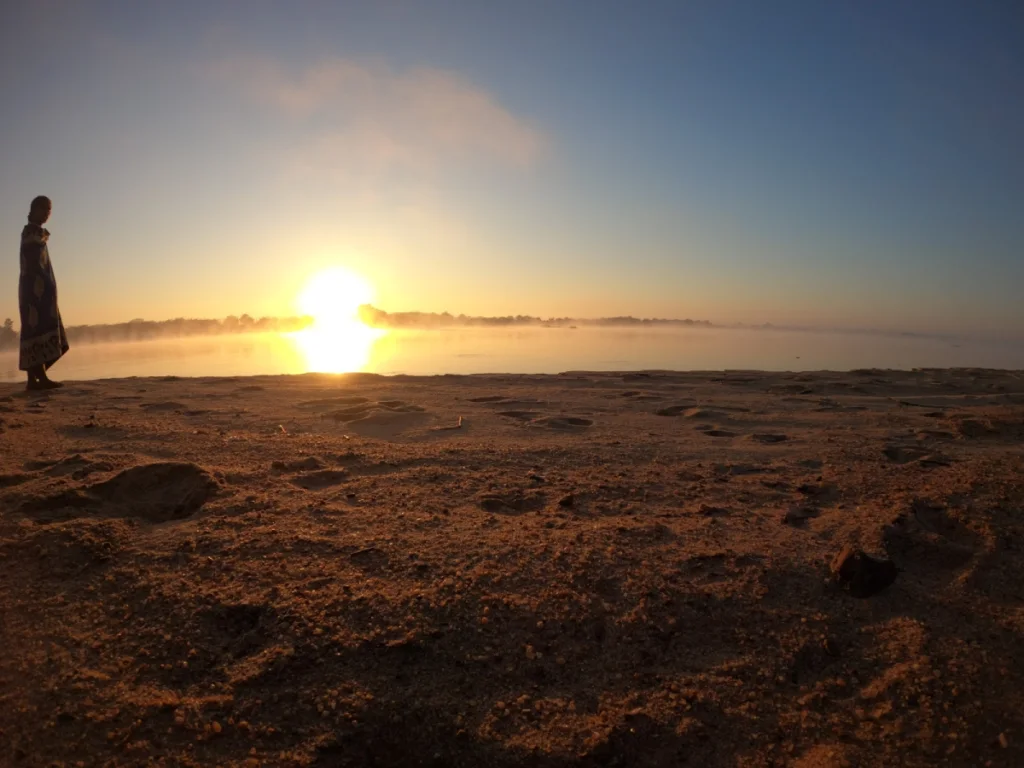
From the stone forests and the lemurs to the Avenue of the Baobabs, a route through the wildest, most unpredictable and most authentic side of Madagascar.
Where Madagascar begins
At some point the tarmac ends. A little later the road ends too. And that is when the Madagascar we travel all this way for begins.
Not the one of quick stops and photographs that have already been taken thousands of times. The one that needs time, dust, patience and a willingness to leave the easy option behind.
We do not come here to say we have seen the whole island. Madagascar does not fit into one route and there is no reason to pretend otherwise.
We pick one specific part of it and go in as deep as we can. By 4×4, by boat, on foot. Through villages, forests, rivers and roads that sometimes exist only because someone passed that way before us.
This is not a tour of Madagascar.
It is a dive into it.
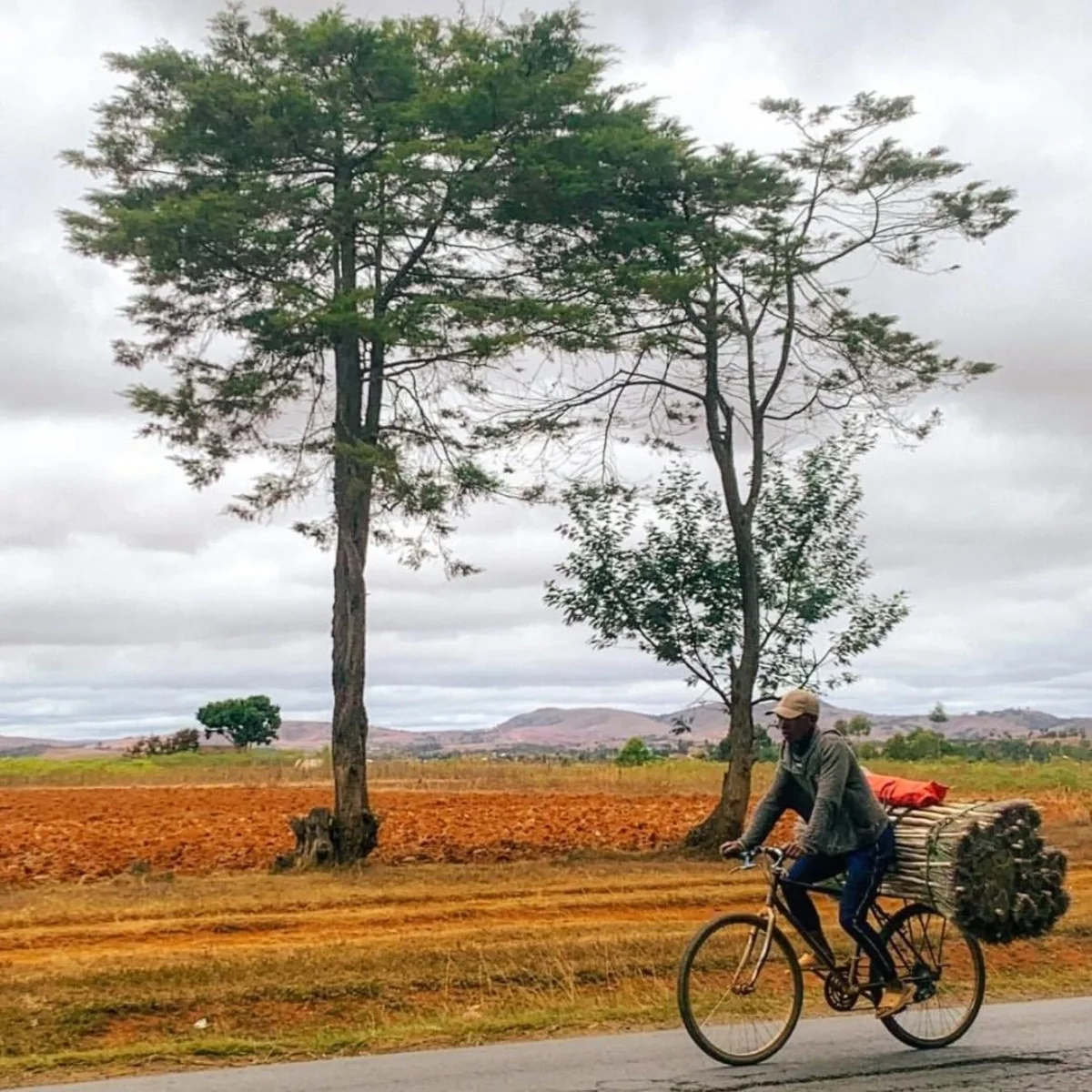
We did not come to do a lap of Madagascar
There are trips measured in pins on a map. How many cities you see, how many sights you manage, how many photos fit into a week.
This Madagascar trip is not one of them.
We are not interested in simply visiting as many places as we can. We are interested in discovering what lies between them.
Between the town and the village. Between the tarmac and the dirt road. Between the last 4×4 and the first boat.
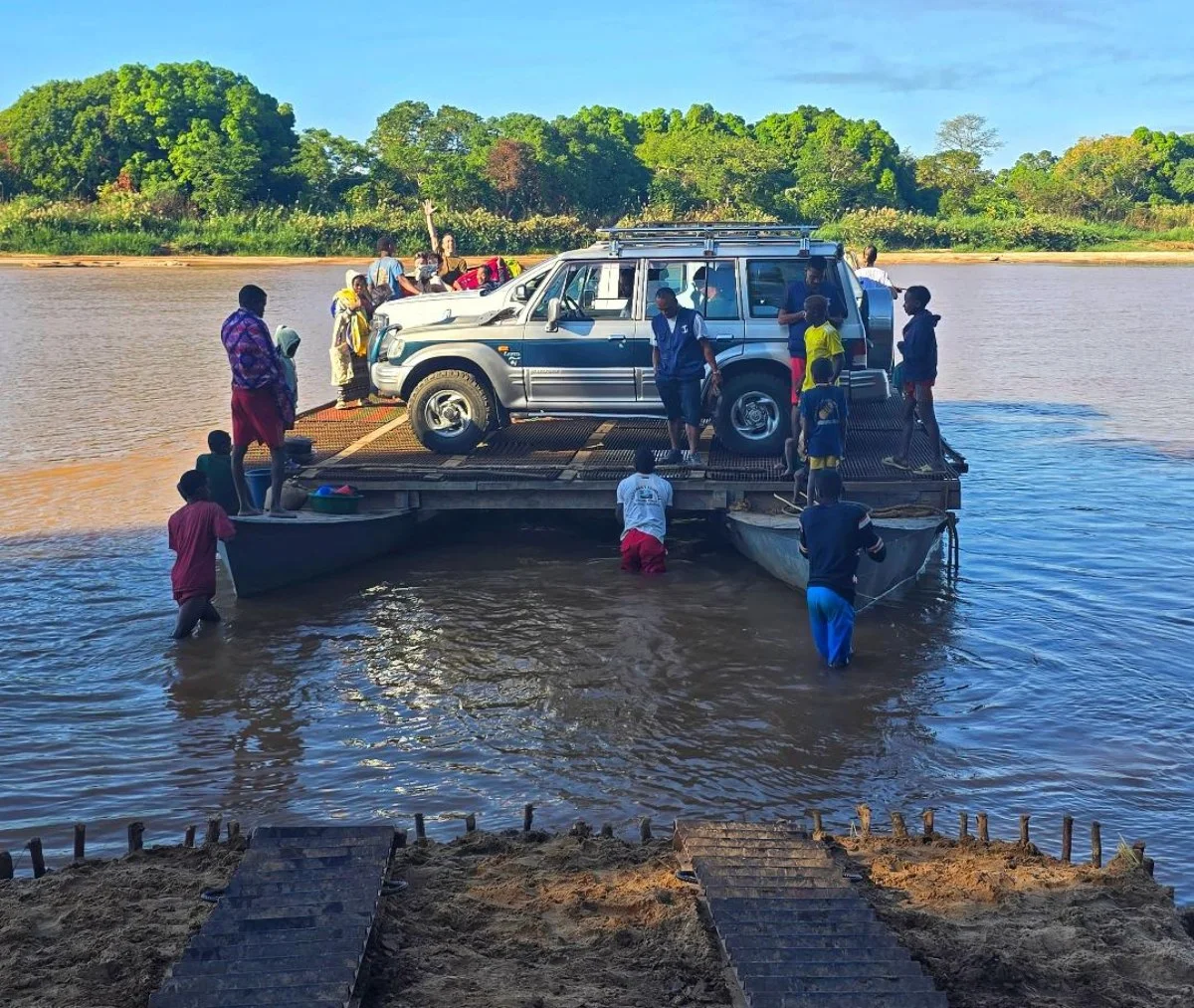
On the river, in the stone forest of the Tsingy, with the lemurs of Kirindy Forest and on the Avenue of the Baobabs.
Because the trip is not only the places you reach. It is everything that happens until you get there.
After all, in Madagascar distances are not measured in kilometres alone. They are measured in hours, in potholes, in waiting, in river crossings by boat and in moments when the schedule stops having the final say.
And the harder the road gets, the further behind you leave the Madagascar you can simply visit, and the closer you get to the one you have to live.
When the road becomes a river
At some point we leave the 4x4s behind. Not because we have arrived, but because from here on there is no road.
So the Tsiribihina river takes its place.
We get into the boat and the rhythm changes immediately. There are no potholes, junctions or kilometres to cover before nightfall. There is only the river and its direction.
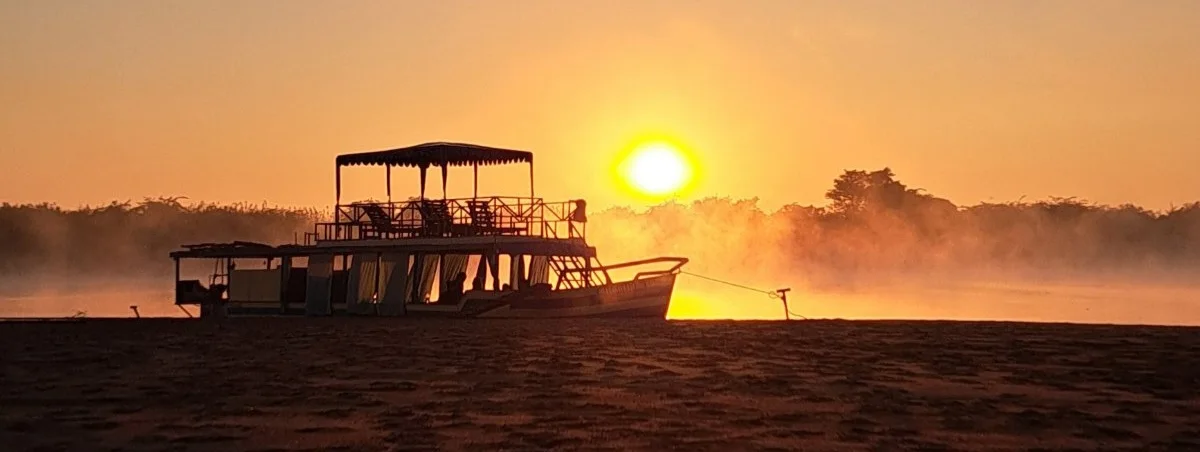
The banks drift slowly past us. Villages appear where you would not expect anything to exist. Voices fade behind the boat, the sun climbs and for the first time you are not constantly looking at where you have to get to next.
We stop for a break in some village, for waterfalls, for a swim in natural pools. Not because a checklist says so, but because here time works differently. If there is a reason to stop, you stop.
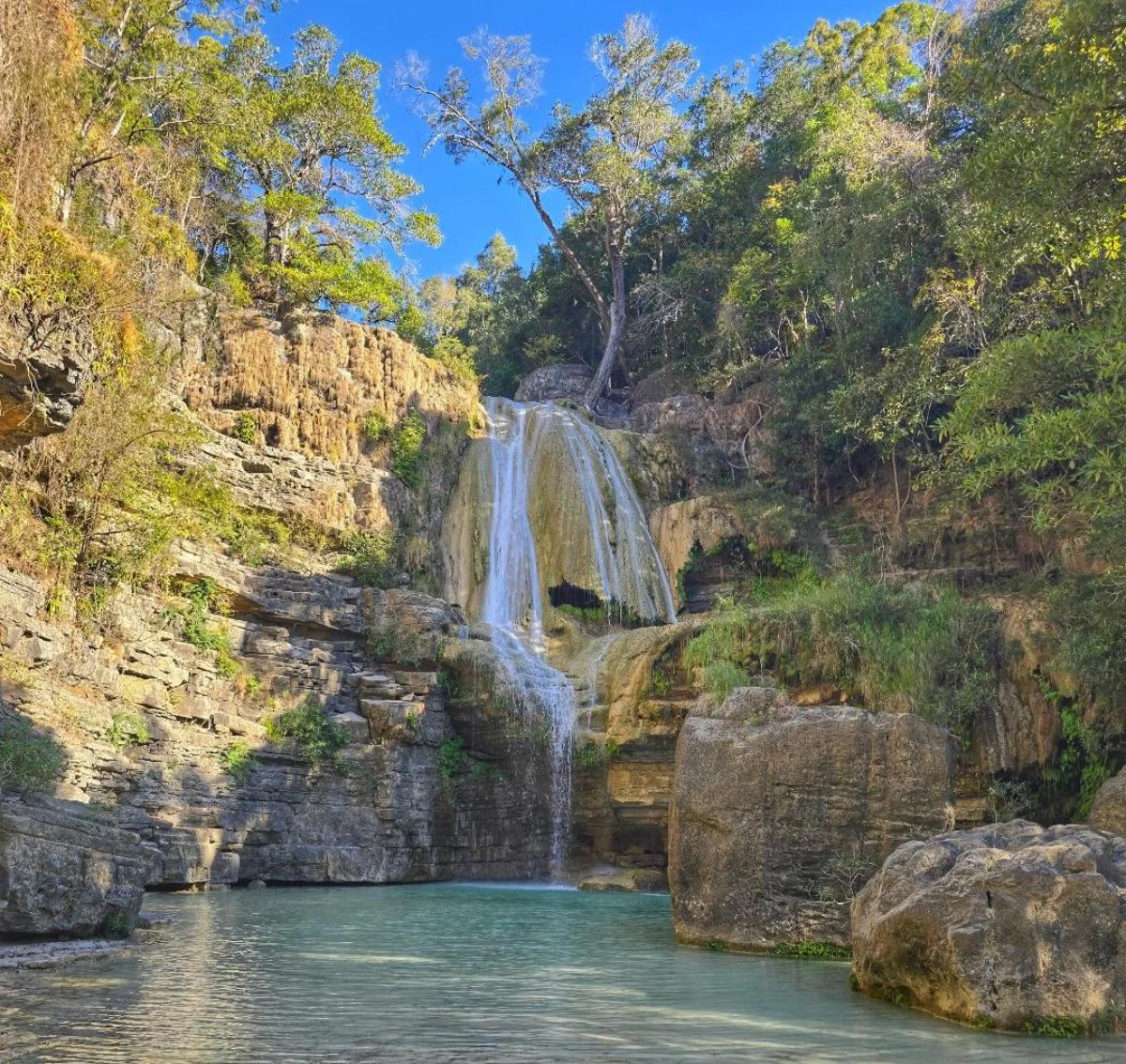
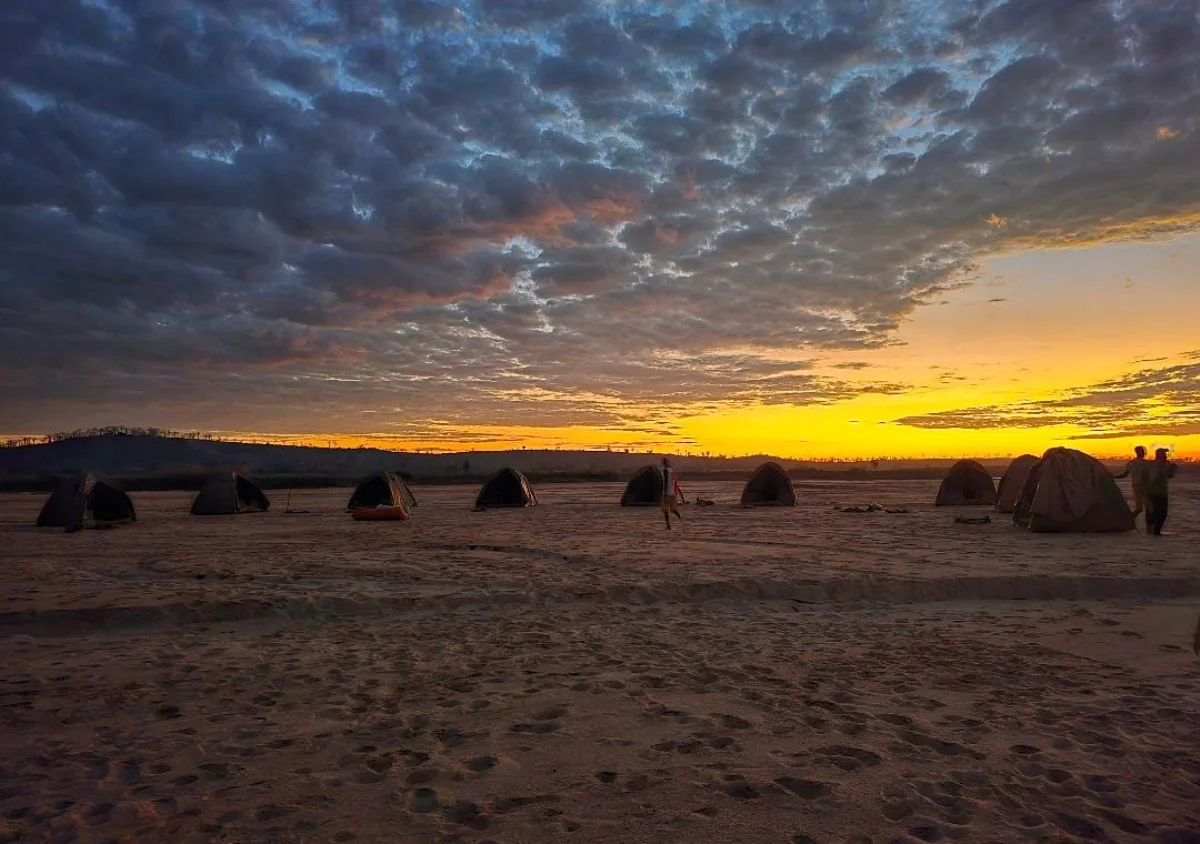
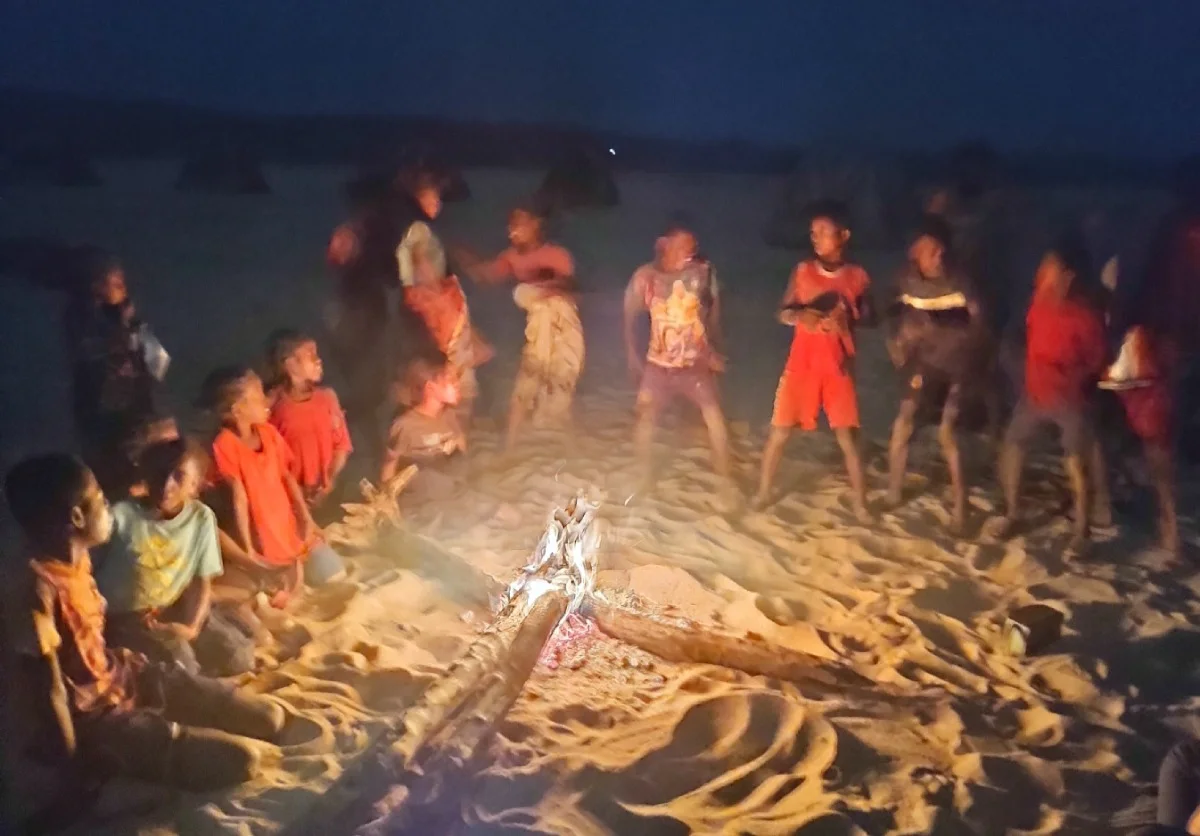
In the evening we pitch the tents on the banks. Around us there are no roads, no lights, no rooms that lock with a card. There is the fire, the food, the sounds of the river and a darkness that lets nothing unnecessary through.
Camping here is not an alternative form of accommodation. It is the only way not to step out of the experience.
For two days we do not travel alongside the Tsiribihina.
We travel with it.
Tsingy de Bemaraha: a forest that is not a forest
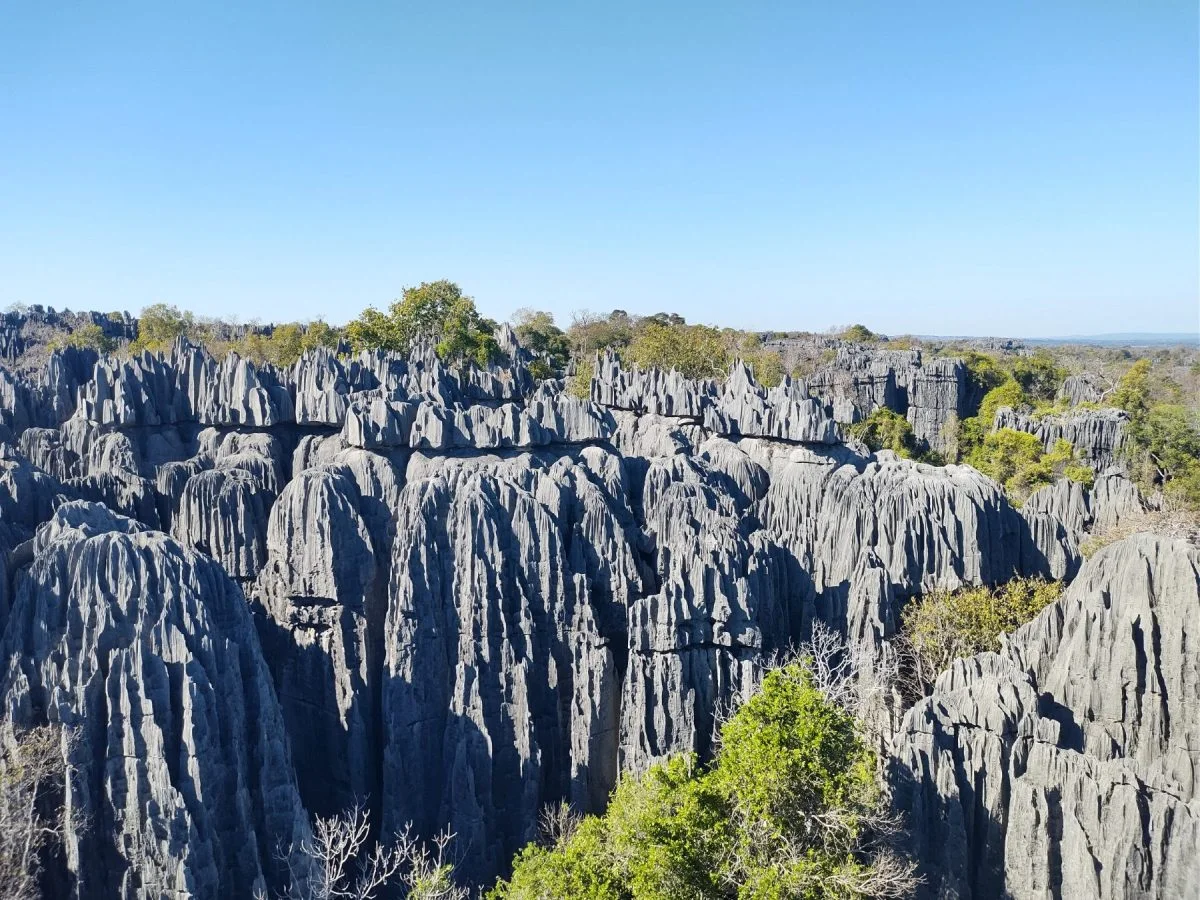
From a distance it looks like a forest of stone. As you get closer, you realise the description is not enough.
The Tsingy de Bemaraha is a vast expanse of razor-sharp limestone formations rising one beside the other. As if the earth had shattered into thousands of stone blades and stayed that way.
You do not simply stand opposite it and look. You go inside it.
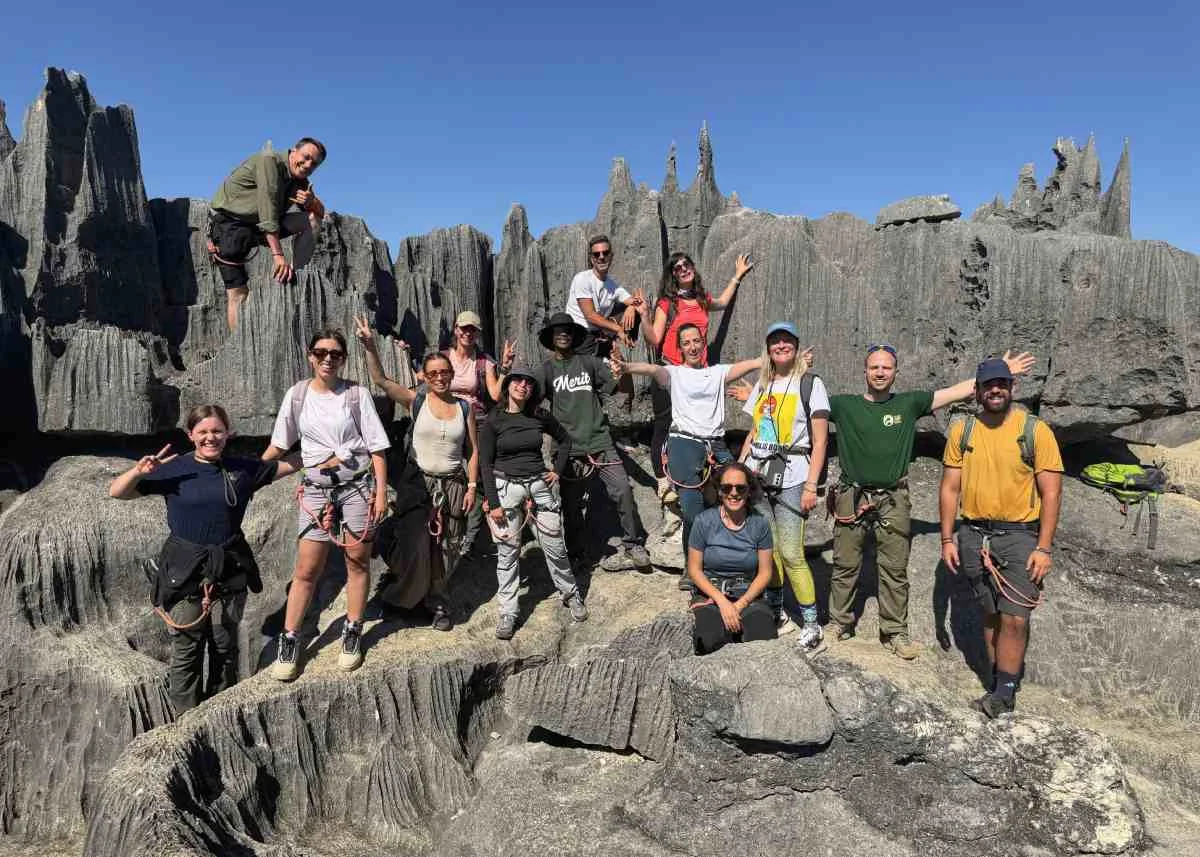
You squeeze through narrow gaps, climb ladders, move between the rocks and cross hanging bridges with the void beneath you. In some places there is room only for your body. In others, the landscape suddenly opens and you see the stone forest stretching as far as the eye can reach.
It is not a difficult route built to feel like an adventure. The landscape itself dictates how you move. You simply adapt.
And perhaps that is what makes the Tsingy so different. It does not impress you only because it looks unreal. It forces you to take part in order to see it.
Getting there takes time, dirt and a good many hours on the road. But here the difficulty is not an annoying detail before the sight. It is part of the reason the place remains so wild.
The Tsingy is not somewhere you stop because it happened to be on your way.
There is not even an easy way to get here.
The Madagascar of the lemurs wakes at night
In Kirindy Forest, the day does not end when the sun goes down. That is when the part you do not easily see begins.
We enter the forest with torches, speaking quietly. Eyes slowly get used to the dark and every sound starts to matter. A branch that moves. Leaves that crackle. Two eyes that reflect the light and vanish before you understand what you saw.
There is no button to make the wildlife appear.
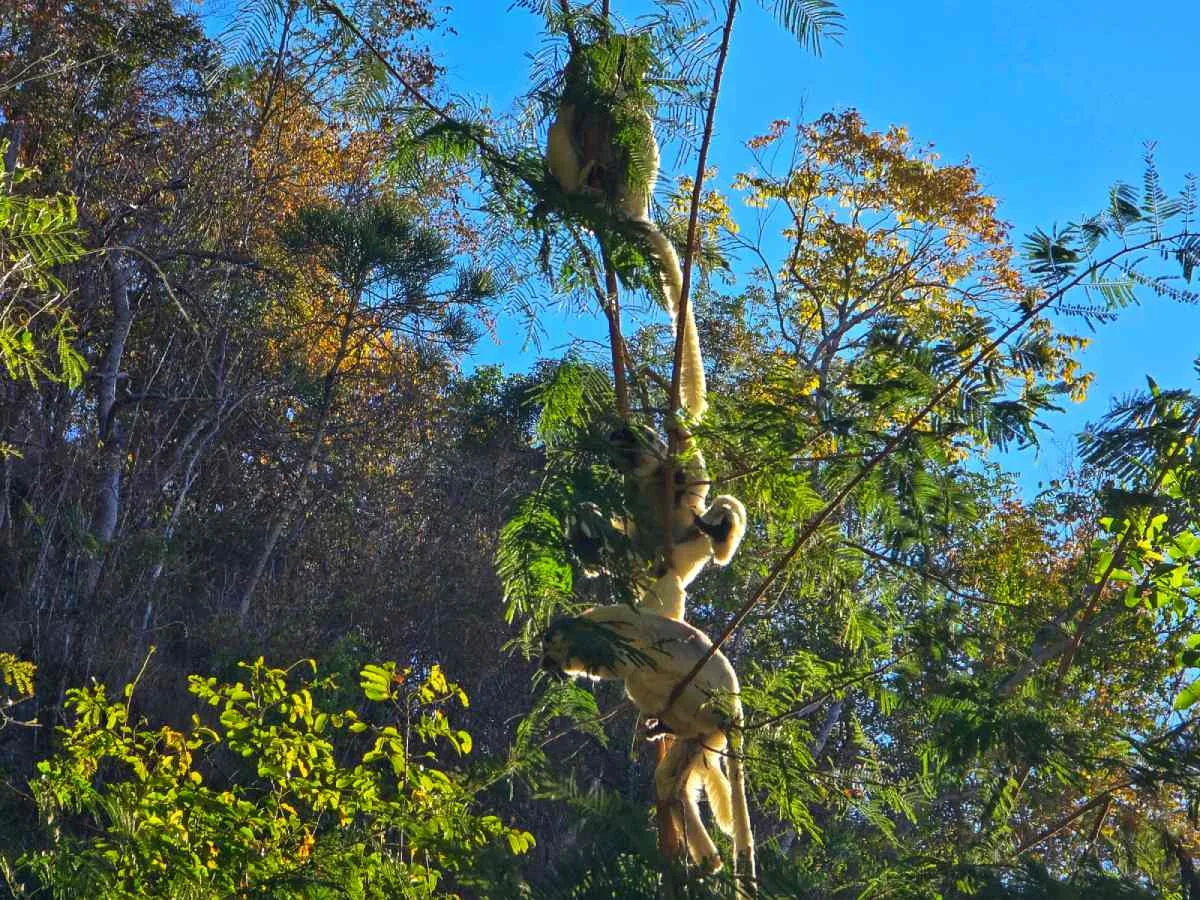
The lemurs do not wait in the right spot for the photo. The chameleons hide exactly where your gaze passes without stopping. And the fossa, Madagascar’s most mysterious predator, may be somewhere close.
You do not come here to count how many animals you saw. You come for the search. For that moment when everyone stops talking, the torch turns upwards and something moves between the branches.
In the dark, you do not control what you will meet. You learn to wait, to watch and to listen.
And when a lemur finally appears above your head, it does not look like an exhibit. In the end you see them more often than you think, as if they had always been there.
The Avenue of the Baobabs is not just a photograph
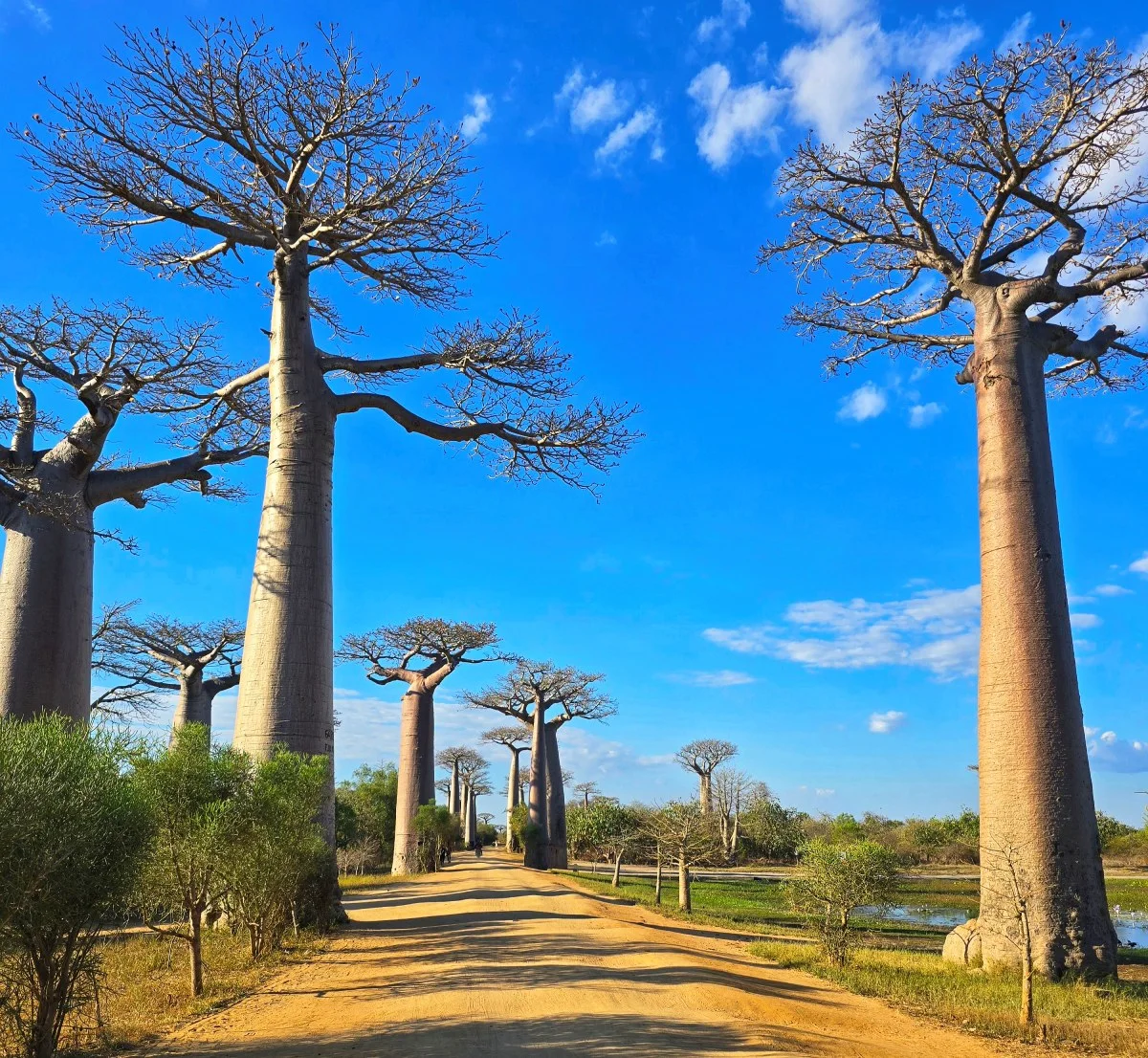
You have seen the Avenue of the Baobabs before you ever reach Madagascar.
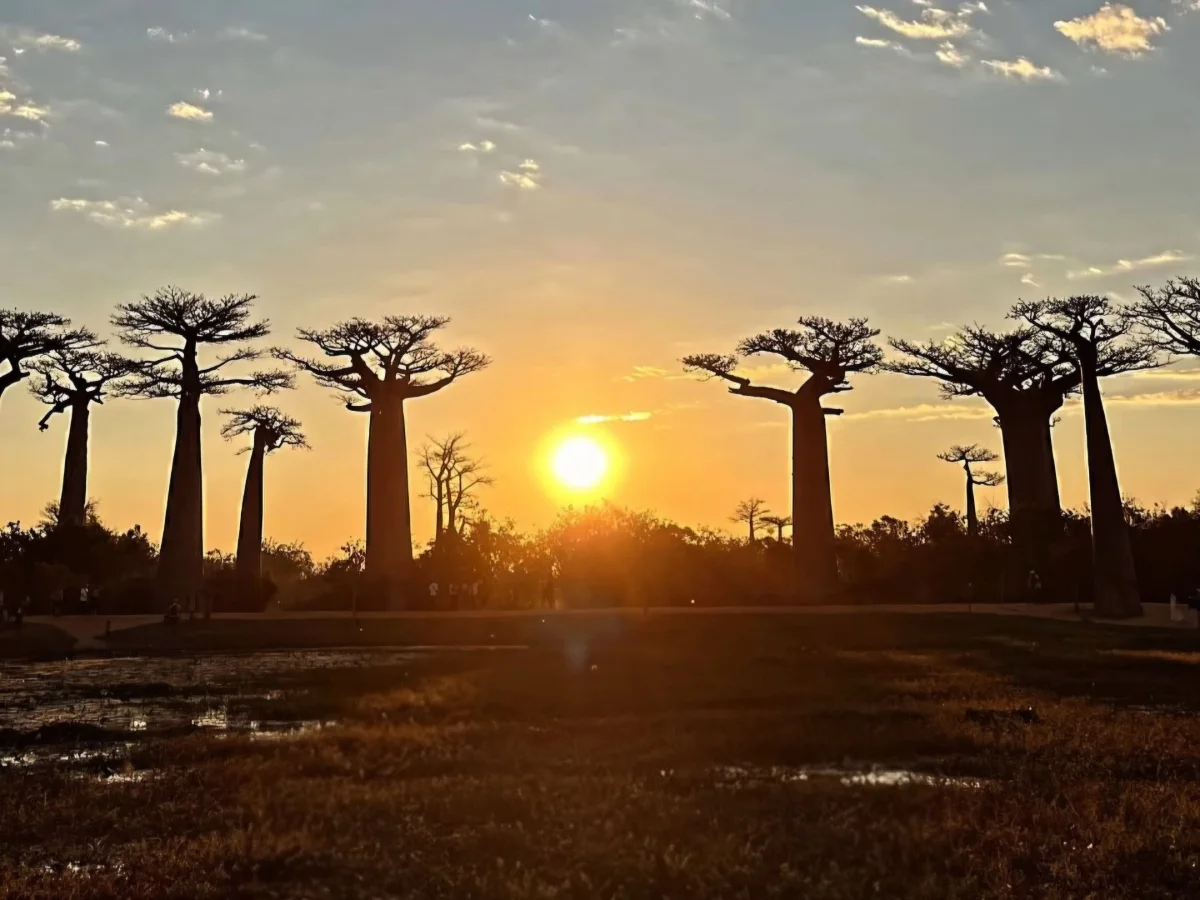
In photographs, documentaries, travel features. Tall trunks on red earth, with the sky changing colour behind them. It is one of those images you recognise even if you do not know exactly where it is.
But seeing it on a screen is one thing and getting all the way there is another.
Because you do not arrive straight from an airport or a hotel. You get there having left behind dirt roads, rivers, nights in tents, stone passages and forests after dark.
And suddenly the baobabs are not just the next sight. They are the point where the whole route gathers into a single image.
The sun slowly sets, the shadows lengthen and the trunks stand there as if it does not matter how many years it took the world to discover them.
You do not need many words. Or some original angle to prove the moment is special.
This trip is not for everyone
It is certainly not an easy, comfortable trip.
It has long hours on the road, dust, potholes, camping and off-road conditions that put you right in the thick of it.
If you want everything to be completely predictable and scheduled, it may not be for you.
But if you want to wake up without knowing exactly what will fit into the day, then it starts to get interesting.
Because between the big landscapes there is everything that does not easily go into a programme. An open-air market set up beside the road.
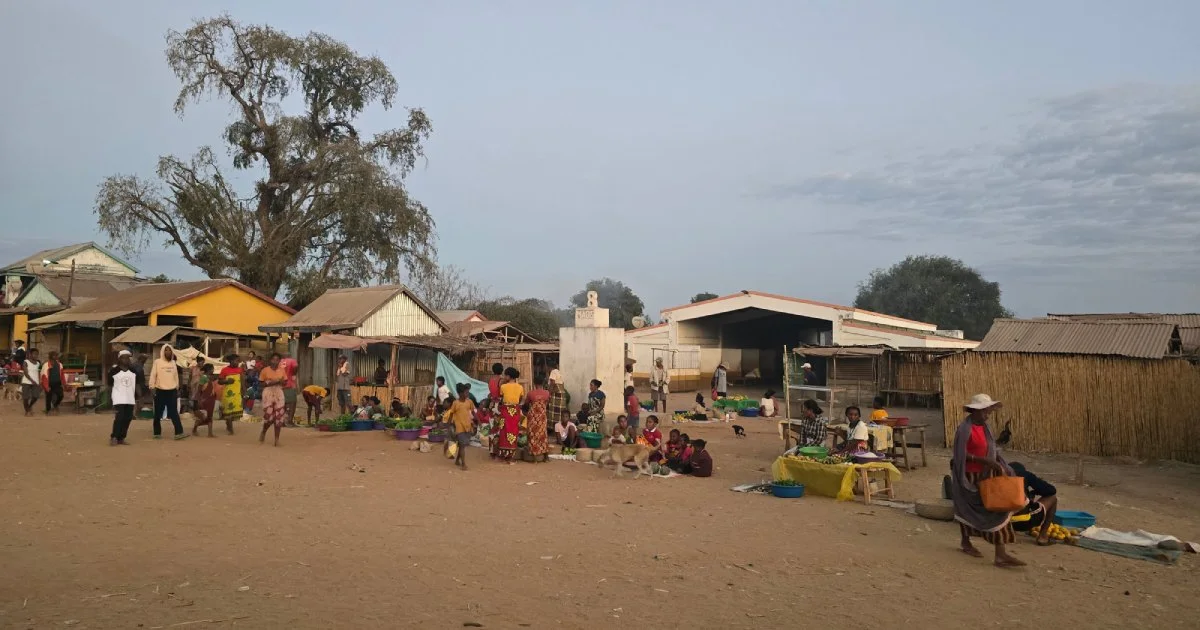
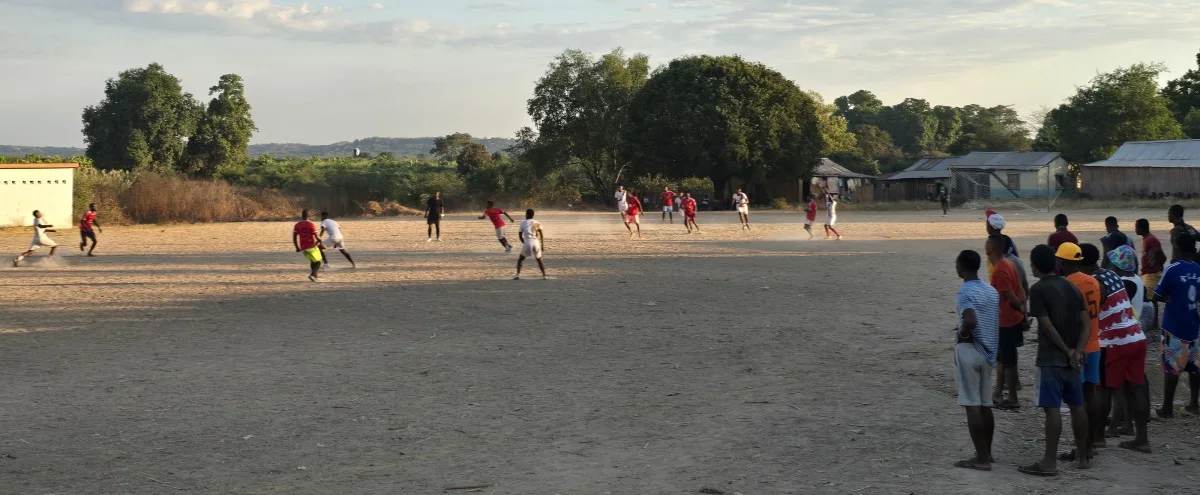
Fishermen coming back to the shore. A dirt pitch filling with people before the sun goes down.
Children drawing close to the fire and, before you know it, the evening finds its own rhythm.
These moments cannot be scheduled. But you do need to travel in a way that leaves them room to happen.
That is where Altervan comes in. In the small group, in the people who know the place and in a hard route that has been organised without being sterilised.
It only removes the chaos you do not need to carry.
So that you can really be there when something happens that will never happen the same way again.
Where the road ends
In the end it is not only the Tsingy, the lemurs and the baobabs that stay with you.
The dust on your clothes stays. The fire beside the river. The voices from a village you did not know existed. A game of football in the middle of nowhere. The people you share a route with that is hard to explain to anyone who has not lived it.
Because Madagascar is not a trip you simply watch.
You go inside it.
You get dirty. You get tired. You adapt. You lose control for a while. And with it you leave behind everything that makes most trips look like each other.
The road ends.
The comfort ends.
The schedule stops always having the final say.
And somewhere around there the real trip begins.
The one that does not fit whole into photographs. The one you cannot grasp from a story. The one that, when you get back, you know you will carry with you for years.
See the route. And do not let it become one more story you heard from someone else. Come with us on the next trip to Madagascar.
With love for travel, road trips and adventure.
The Altervan team